

- 1.5 lb (680 g) pork tenderloin
- 2 tbsp (30 ml) olive oil
- 1 tsp (5 g) kosher salt
- 1/2 tsp (1 g) freshly ground black pepper
- 1/2 tsp (1 g) smoked paprika
- 3 medium peaches, peeled and diced (about 18 oz / 510 g)
- 1/4 cup (40 g) red onion, finely diced
- 1 small jalapeño, seeded and minced (about 10 g)
- 1/4 cup (15 g) fresh cilantro, chopped
- 2 tbsp (30 ml) fresh lime juice
- 1 tbsp (15 ml) honey
1. Trim silver skin from the pork tenderloin and pat dry. Rub with olive oil, kosher salt, black pepper, and smoked paprika.
2. Preheat grill to medium-high heat (about 400°F / 200°C). Oil the grates.
3. Place pork on the grill and cook, turning occasionally, until an instant-read thermometer inserted into the thickest part reads 145°F (63°C), about 12–15 minutes depending on thickness.
4. While pork cooks, combine diced peaches, red onion, jalapeño, cilantro, lime juice, and honey in a bowl; toss gently and adjust salt to taste. Let sit at room temperature for flavors to meld.
5. Remove pork from grill and transfer to a cutting board; tent loosely with foil and rest 5–10 minutes.
6. Slice pork into medallions and serve topped with a generous spoonful of peach salsa.
- 1.5 lb (680 g) pork tenderloin
- 1 tsp (5 g) kosher salt
- 1/2 tsp (1 g) freshly ground black pepper
- 1 tbsp (15 ml) olive oil
- 2 tbsp (28 g) unsalted butter
- 2 cloves (about 6 g) garlic, minced
- 1/4 cup (60 ml) bourbon
- 1/2 cup (160 g) peach preserves
- 1 tsp (5 ml) Dijon mustard
- 1 tsp (1 g) fresh thyme leaves, chopped
- 1 medium peach, sliced for serving (about 6 oz / 170 g)
1. Preheat oven to 400°F (200°C). Pat pork dry and season all over with salt and pepper.
2. Heat olive oil in an ovenproof skillet over medium-high heat. Sear pork on all sides until golden brown, about 2–3 minutes per side.
3. Transfer skillet to the oven and roast until internal temperature reaches 145°F (63°C), about 10–15 minutes depending on thickness. Remove pork to rest on a cutting board and tent with foil.
4. While pork rests, return skillet to medium heat. Add butter and garlic and sauté 30 seconds until fragrant.
5. Carefully add bourbon to deglaze the pan; simmer 1–2 minutes to burn off some alcohol. Stir in peach preserves, Dijon mustard, and thyme. Simmer until glaze thickens slightly, about 3–5 minutes.
6. Slice pork and spoon glaze over slices. Garnish with fresh peach slices and additional thyme if desired.

- 1.75 lb (800 g) pork tenderloin
- 1 tsp (5 g) kosher salt
- 1/2 tsp (1 g) freshly ground black pepper
- 1 tbsp (15 ml) olive oil
- 4 cups (about 28 oz / 800 g) ripe peaches, peeled and diced
- 1 cup (150 g) yellow onion, finely diced
- 1/3 cup (67 g) packed brown sugar
- 1/3 cup (80 ml) apple cider vinegar
- 1/4 cup (40 g) raisins
- 1 tsp (5 g) fresh grated ginger
- 1/2 tsp (1 g) ground cinnamon
- 1 tsp (5 g) mustard seeds
- Salt to taste for chutney
1. Preheat oven to 425°F (220°C). Season pork with kosher salt and black pepper and rub with olive oil.
2. Sear pork in a hot ovenproof skillet 2–3 minutes per side until browned. Transfer skillet to oven and roast until internal temperature reaches 145°F (63°C), about 12–18 minutes depending on size.
3. While pork roasts, combine peaches, onion, brown sugar, apple cider vinegar, raisins, grated ginger, cinnamon, and mustard seeds in a saucepan.
4. Bring chutney mixture to a simmer over medium heat, then reduce heat to low and cook, stirring occasionally, until thickened and slightly jammy, about 25–30 minutes. Season with salt to taste.
5. Remove pork from oven and rest 5–10 minutes under foil. Slice pork and spoon warm peach chutney over each serving.
- 1.25 lb (570 g) pork tenderloin, trimmed and cut into 1-inch medallions
- 1 tsp (5 g) kosher salt
- 1/2 tsp (1 g) freshly ground black pepper
- 1 tbsp (15 ml) olive oil
- 1 tbsp (14 g) unsalted butter
- 1 small shallot, minced (about 30 g)
- 2 medium peaches, sliced (about 12 oz / 340 g)
- 1/4 cup (60 ml) dry white wine
- 1/2 cup (120 ml) chicken stock
- 1 tbsp (15 ml) Dijon mustard
- 1/2 cup (120 ml) heavy cream
- 1 tsp (1 g) fresh thyme leaves
1. Season pork medallions with salt and pepper. Heat olive oil in a large skillet over medium-high heat.
2. Sear pork medallions 2–3 minutes per side until golden and cooked through (internal temperature 145°F / 63°C). Transfer to a plate and tent with foil.
3. Reduce heat to medium, add butter to the skillet, then sauté shallot until translucent, about 1 minute.
4. Add sliced peaches and sauté 2–3 minutes until they begin to soften.
5. Pour in white wine to deglaze the pan, scraping up browned bits, then add chicken stock and simmer 2–3 minutes.
6. Whisk in Dijon mustard and heavy cream, simmer until sauce thickens slightly, about 2–4 minutes. Stir in fresh thyme.
7. Return pork medallions to the skillet to warm and coat with sauce for 1 minute. Serve immediately spooned with peach-mustard cream sauce.
- 3–4 medium green tomatoes, about 1 lb (450 g)
- 1 cup (120 g) all-purpose flour
- 1 tsp (5 g) kosher salt, divided
- 1/2 tsp (1 g) freshly ground black pepper, divided
- 2 large eggs
- 1/2 cup (120 ml) buttermilk
- 1 cup (140 g) yellow cornmeal
- 1/2 cup (60 g) fine cornmeal or fine yellow cornmeal (optional; for extra crunch)
- Vegetable oil for frying
- 8 oz (225 g) sharp cheddar cheese, finely shredded
- 4 oz (115 g) cream cheese, softened
- 3 tbsp (45 ml) mayonnaise
- 1/3 cup (85 g) drained diced pimentos
- 1 tsp (5 ml) Worcestershire sauce
- 1/4 tsp (1 g) garlic powder
- 1/2 tsp (3 g) kosher salt (for pimento cheese)
- 1/4 tsp (1 g) freshly ground black pepper (for pimento cheese)
- 2 tbsp (12 g) thinly sliced green onions (scallions)
- Lemon wedges for serving (optional)
1. Make the pimento cheese: In a medium bowl, beat together the cream cheese and mayonnaise until smooth. Fold in the shredded cheddar, diced pimentos, Worcestershire, garlic powder, 1/2 tsp (3 g) kosher salt, 1/4 tsp (1 g) black pepper, and sliced green onions. Mix until combined but still slightly chunky. Cover and chill in the refrigerator at least 30 minutes to meld flavors.
2. Prepare tomatoes and dredges: Slice tomatoes into 1/2 inch (12 mm) thick rounds and gently pat dry with paper towels. In one shallow dish, combine the all-purpose flour with 1/2 tsp (2.5 g) kosher salt and 1/4 tsp (0.5 g) black pepper. In a second shallow dish, beat the eggs with the buttermilk. In a third shallow dish, combine the cornmeal(s).
3. Heat oil: Pour about 1/2 inch (12 mm) of vegetable oil into a large skillet and heat over medium-high until shimmering and a thermometer reads 350°F (175°C). If you don't have a thermometer, a small pinch of cornmeal should sizzle immediately when dropped in.
4. Dredge and fry: Working in batches to avoid crowding, dredge each tomato slice first in the seasoned flour, shaking off excess, then dip in the egg-buttermilk, and press into the cornmeal to coat evenly. Carefully place coated slices in the hot oil. Fry until golden brown on the first side, about 2–3 minutes, then flip and fry 1–2 minutes more until crisp and cooked through.
5. Drain and keep warm: Transfer fried tomatoes to a wire rack set over a baking sheet or to paper towels to drain briefly. Keep finished batches warm in a 200°F (95°C) oven while you finish frying remaining slices.
6. Serve: Spoon a generous dollop of chilled pimento cheese onto each fried tomato or serve the pimento cheese in a bowl for spreading. Garnish with a sprinkle of sliced green onion and optional lemon wedges. Serve immediately.

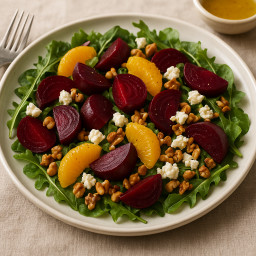
- 5 oz (140 g) baby spinach, washed and dried
- 2 medium beets (about 10 oz / 280 g), roasted, peeled and sliced or cubed
- 2 medium oranges (about 10 oz / 280 g), segmented (supreme) and any juice reserved
- 1/2 small red onion (about 2 oz / 55 g), thinly sliced
- 3/4 cup (75 g) pecan halves, toasted and roughly chopped
- 4 oz (115 g) goat cheese, crumbled
- 3 tbsp (45 ml) extra-virgin olive oil
- 2 tbsp (30 ml) fresh orange juice (from reserved orange juice)
- 1 tbsp (15 ml) sherry vinegar (or balsamic vinegar)
- 1 tsp (5 ml) Dijon mustard
- 1 tsp (5 ml) honey
- 1 tsp (5 ml) orange zest (from 1 orange)
- 1/2 tsp (2.5 g) kosher salt, plus more to taste
- 1/4 tsp (0.5 g) freshly ground black pepper, plus more to taste
- 1 tbsp (15 ml) water (optional, to loosen dressing if needed)
- 1 tbsp (15 ml) chopped fresh mint or basil (optional)
1. Roast the beets: Preheat oven to 400°F (200°C). Trim beets, rub with a little olive oil and a pinch of salt, wrap individually in foil and place on a baking sheet. Roast until tender when pierced with a knife, about 45–60 minutes depending on size. Let cool, peel and slice or cube; set aside.
2. Toast the pecans: In a dry skillet over medium heat, toast pecans, stirring frequently, until fragrant and lightly browned, about 3–4 minutes. Transfer to a plate to cool and roughly chop.
3. Segment oranges: Using a sharp knife, cut off top and bottom of each orange, slice away the peel and pith, and cut segments between membranes over a bowl to catch juices. Reserve 2 tbsp (30 ml) of the juice for the dressing and set segments aside.
4. Make the vinaigrette: In a small bowl or jar combine 3 tbsp (45 ml) extra-virgin olive oil, 2 tbsp (30 ml) reserved orange juice, 1 tbsp (15 ml) sherry vinegar, 1 tsp (5 ml) Dijon mustard, 1 tsp (5 ml) honey, 1 tsp (5 ml) orange zest, 1/2 tsp (2.5 g) kosher salt and 1/4 tsp (0.5 g) black pepper. Whisk or shake until emulsified; add 1 tbsp (15 ml) water if the dressing is too thick.
5. Assemble the salad: In a large bowl gently combine baby spinach, roasted beets, orange segments, and thinly sliced red onion. Drizzle about half the vinaigrette over the salad and toss gently to coat.
6. Finish and serve: Transfer salad to a serving platter or bowls. Sprinkle toasted pecans and crumbled goat cheese over the top, add chopped fresh mint or basil if using, and drizzle more vinaigrette to taste. Adjust salt and pepper and serve immediately.

- 1 lb (450 g) elbow macaroni
- 6 tbsp (85 g) unsalted butter, divided
- 1/3 cup (43 g) all-purpose flour
- 2 cups (480 ml) whole milk
- 1 cup (240 ml) evaporated milk
- 2 large eggs
- 3 cups (340 g) shredded sharp cheddar cheese
- 2 cups (225 g) shredded Colby‑Jack cheese
- 4 oz (113 g) cream cheese, softened
- 1 cup (100 g) crushed buttery crackers (or panko)
- 1 tsp (5 g) kosher salt, plus more to taste
- 1/2 tsp (1 g) freshly ground black pepper
- 1 tsp (2 g) dry mustard powder
- 1/2 tsp (1 g) smoked paprika
- 1/4 tsp (0.5 g) cayenne pepper (optional)
- 1 tsp (5 ml) Worcestershire sauce
- 1/2 tsp (2.5 ml) hot sauce (optional)
1. Preheat oven to 350°F (175°C). Butter a 10–12 inch ovenproof skillet (cast-iron preferred) or set the skillet aside if using one that will go from stovetop to oven.
2. Bring a large pot of salted water to a boil. Cook the elbow macaroni 1–2 minutes less than package directions for al dente. Drain and set aside.
3. In a medium saucepan over medium heat, melt 4 tbsp (57 g) of the butter. Whisk in the flour to make a blonde roux and cook 1–2 minutes, stirring, until lightly bubbling but not browned.
4. Gradually whisk in the whole milk and evaporated milk, scraping any roux from the pan. Bring to a gentle simmer and cook, whisking, until the sauce thickens enough to coat the back of a spoon, about 4–6 minutes.
5. In a small bowl, beat the eggs. Temper the eggs by whisking in about 1/2 cup (120 ml) of the hot milk mixture, then whisk the warmed egg mixture back into the sauce. Cook 1 minute more over low heat—do not boil.
6. Remove the sauce from the heat and stir in the cream cheese until smooth. Add the shredded sharp cheddar and Colby‑Jack a handful at a time, stirring until melted and fully incorporated. Stir in the dry mustard, smoked paprika, cayenne (if using), Worcestershire sauce, hot sauce (if using), and 1 tsp (5 g) kosher salt and 1/2 tsp (1 g) black pepper. Taste and adjust seasoning.
7. Fold the drained macaroni into the cheese sauce until evenly coated.
8. Transfer the macaroni and cheese to the prepared skillet (or if you used a skillet to mix, smooth the top). In a small bowl, combine the crushed buttery crackers with the remaining 2 tbsp (28 g) melted butter and a pinch of smoked paprika; sprinkle evenly over the top.
9. Bake in the preheated oven until bubbling at the edges and the topping is golden, about 20–25 minutes. For a deeper crust, place under a broiler 1–2 minutes, watching closely.
10. Remove from oven and let rest 10 minutes to set before serving straight from the skillet. Adjust salt and pepper if needed and serve warm alongside the pan‑seared pork tenderloin with peach‑bourbon glaze.

- 6 cups (900 g) sliced fresh peaches (about 6–8 medium), peeled if desired
- 3/4 cup (150 g) granulated sugar
- 2 tbsp (30 ml) fresh lemon juice
- 2 tbsp (16 g) cornstarch
- 1/2 tsp (1 g) ground cinnamon
- 1/8 tsp (0.25 g) fine salt
- 1 tsp (5 ml) vanilla extract
- 2 tbsp (28 g) unsalted butter, cut into small pieces

- 2 cups (250 g) all-purpose flour
- 1/2 cup (100 g) granulated sugar
- 1 tbsp (12–15 g) baking powder
- 1/2 tsp (2.5 g) fine salt
- 6 tbsp (85 g) cold unsalted butter, cut into small cubes
- 1 cup (240 ml) whole milk
- 1 large egg (50 g), lightly beaten (for brushing)
- 2 tbsp (25 g) turbinado or coarse sugar, for sprinkling

- 2 cups (480 ml) heavy cream
- 1 cup (240 ml) whole milk
- 3/4 cup (150 g) granulated sugar
- 1 vanilla bean, split lengthwise and seeds scraped (reserve pod)
- 4 large egg yolks (about 80 g)
- Pinch fine salt
1. Make the vanilla bean ice cream base first (it needs chilling): in a medium saucepan, combine 2 cups (480 ml) heavy cream, 1 cup (240 ml) whole milk, the split vanilla bean pod and scraped seeds, and half of the sugar (about 6 tbsp / 75 g). Warm over medium heat until steam rises and small bubbles form at the edge (do not boil), then remove from heat and let steep 10–15 minutes.
2. Whisk 4 large egg yolks (about 80 g) with the remaining sugar (about 3 tbsp / 75 g) and a pinch of salt in a bowl until pale. Slowly temper the yolks by whisking in about 1/2 cup (120 ml) of the hot cream mixture, then pour the tempered yolks back into the saucepan with the remaining hot cream.
3. Cook the custard over medium-low heat, stirring constantly with a wooden spoon or spatula, until it thickens enough to coat the back of the spoon and reaches about 170–175°F (77–80°C). Do not boil. Strain the custard through a fine mesh sieve into a clean bowl to remove the vanilla pod and any solids.
4. Cool the custard to room temperature, then cover and refrigerate at least 4 hours or overnight until thoroughly chilled. When chilled, churn in an ice cream maker according to the manufacturer’s instructions, then transfer to a lidded container and freeze at least 2 hours to firm before serving.
5. Preheat oven to 375°F (190°C). In a large bowl, combine 6 cups (900 g) sliced peaches, 3/4 cup (150 g) granulated sugar, 2 tbsp (30 ml) lemon juice, 2 tbsp (16 g) cornstarch, 1/2 tsp (1 g) ground cinnamon, 1/8 tsp (0.25 g) fine salt, and 1 tsp (5 ml) vanilla extract. Toss gently to coat and let sit 10–15 minutes to macerate.
6. Transfer the peach mixture and any accumulated juices to a 9x13-inch (23x33 cm) baking dish and dot the top with the 2 tbsp (28 g) unsalted butter pieces.
7. In a separate bowl, whisk 2 cups (250 g) all-purpose flour, 1/2 cup (100 g) granulated sugar, 1 tbsp (12–15 g) baking powder, and 1/2 tsp (2.5 g) fine salt. Cut in 6 tbsp (85 g) cold butter with a pastry blender or two forks until the mixture resembles coarse crumbs. Stir in 1 cup (240 ml) whole milk just until a soft, slightly sticky dough forms.
8. Drop large spoonfuls of the dough over the peaches, spacing slightly so steam can escape and the filling can bubble through. Brush the dough lightly with the beaten egg (1 large egg / 50 g) and sprinkle with 2 tbsp (25 g) turbinado or coarse sugar.
9. Bake in the preheated oven 35–45 minutes, or until the topping is golden brown and the filling is bubbly. If the topping browns too quickly, tent loosely with foil for the last 10 minutes.
10. Remove from oven and let rest 10–15 minutes so juices set slightly. Serve warm pieces of cobbler topped with a generous scoop of the chilled vanilla bean ice cream.

- 24 oz (680 g) salmon, skin-on, cut into 4 fillets
- 2 cups (480 ml) diced tomatoes
- 2 avocados, diced
- 3 tbsp (45 ml) olive oil
- 4 cups (120 g) baby spinach
- 1 cup (170 g) cooked lima beans
- 2 cups (180 g) broccoli florets
1. Heat a grill pan or outdoor grill over medium-high heat and brush the salmon fillets with 1 tbsp (15 ml) olive oil.
2. Grill salmon skin-side down 4–6 minutes, then flip and grill 3–5 minutes until cooked through; remove and rest.
3. Meanwhile, toss diced tomatoes and avocados with 1 tbsp (15 ml) olive oil in a bowl to make the salsa.
4. In a large skillet, heat remaining 1 tbsp (15 ml) olive oil over medium heat and quickly sauté spinach until wilted; add cooked lima beans and warm through.
5. Blanch or steam broccoli florets until tender-crisp and divide among plates.
6. Top each bed of spinach and lima beans with a salmon fillet and spoon tomato-avocado salsa over the salmon. Serve immediately.
- 24 oz (680 g) salmon, cut into 4 portions
- 2 cups (480 ml) cherry or diced tomatoes
- 3 cups (270 g) broccoli florets
- 3 cups (90 g) baby spinach
- 1 cup (170 g) cooked lima beans
- 3 tbsp (45 ml) olive oil
- 1 avocado, sliced (for serving)
1. Preheat oven to 400°F (200°C). Tear 4 sheets of parchment large enough to fold over each salmon portion.
2. Place a portion of spinach in the center of each parchment, top with salmon, then distribute tomatoes, broccoli, and lima beans around the fish.
3. Drizzle each parcel with about 3/4 tbsp (11 ml) olive oil, fold parchment to seal tightly into packets.
4. Bake packets on a baking sheet 12–15 minutes, until salmon is opaque and vegetables are tender.
5. Open packets at the table, top each portion with avocado slices, and serve directly from the parchment.
- 24 oz (680 g) salmon, cut into 4 portions
- 1 1/2 cups (360 ml) cooked lima beans
- 4 cups (120 g) baby spinach
- 2 cups (480 ml) diced tomatoes
- 2 cups (180 g) broccoli florets
- 3 tbsp (45 ml) olive oil
- 1 avocado, halved and sliced for garnish
1. Heat 2 tbsp (30 ml) olive oil in a large skillet over medium-high heat and sear salmon portions 3–4 minutes per side until nicely browned and cooked through; remove and keep warm.
2. In the same skillet, add remaining 1 tbsp (15 ml) olive oil and toss in diced tomatoes briefly to warm.
3. Add lima beans and wilted spinach to the skillet, stirring until spinach collapses and lima beans are heated through.
4. Steam or blanch broccoli until just tender and divide among plates.
5. Spoon the lima bean and spinach mixture onto each plate, top with a salmon portion, and garnish with avocado slices before serving.

- 24 oz (680 g) salmon, divided into 4 portions
- 2 heads equivalent (about) 4 cups (360 g) broccoli florets
- 2 avocados
- 1 1/2 cups (255 g) cooked lima beans
- 1 1/2 cups (360 ml) diced tomatoes
- 3 tbsp (45 ml) olive oil
- 3 cups (90 g) baby spinach
1. Preheat oven to 425°F (220°C). Place salmon portions on a baking sheet, brush with 1 tbsp (15 ml) olive oil, and roast 10–12 minutes until just cooked.
2. Toss broccoli florets with 1 tbsp (15 ml) olive oil and roast on a separate sheet 12–15 minutes until tender and slightly caramelized.
3. In a bowl, mash avocados with cooked lima beans and 1 tbsp (15 ml) olive oil until coarsely combined, then fold in diced tomatoes.
4. Warm spinach briefly in a skillet until just wilted.
5. To serve, spread a scoop of avocado-lima bean mash on each plate, top with roasted salmon, arrange broccoli and wilted spinach on the side.
- 2 cups (360 g) glutinous (sticky) rice
- 1 lb (450 g) tiger prawns, peeled and deveined
- 8 oz (225 g) boneless chicken thigh, cut into bite‑size pieces
- 2 links (about 3 oz / 85 g) Chinese sausage (lap cheong), thinly sliced
- 4 dried shiitake mushrooms, soaked and sliced
- 2 tbsp (15 g) dried shrimp, rinsed
- 3 tbsp (45 ml) light soy sauce
- 1 tbsp (15 ml) oyster sauce
- 1 tbsp (15 ml) Shaoxing wine
- 1 tsp (5 ml) sesame oil
- 1 tsp (4 g) sugar
- 1/2 tsp (1.5 g) white pepper
- 1 tsp (3 g) cornstarch
- 2 tbsp (30 ml) vegetable oil
- 4 large lotus leaves, soaked in hot water until pliable
- 2 scallions, thinly sliced
- 1 tbsp (15 ml) sesame oil (for rice)
- Salt to taste
1. Rinse glutinous rice until water runs clear; soak 2 hours then drain. Par‑cook rice by steaming 10 minutes until slightly translucent; set aside and toss with 1 tbsp (15 ml) sesame oil.
2. Marinate chicken and prawns with 1 tbsp (15 ml) light soy sauce, 1/2 tbsp (7.5 ml) Shaoxing wine, 1 tsp (3 g) cornstarch and a pinch of white pepper for 15 minutes.
3. Heat 2 tbsp (30 ml) oil in a pan; stir‑fry Chinese sausage, soaked mushrooms and dried shrimp until fragrant. Add marinated chicken and cook until nearly done; add prawns and cook 1–2 minutes until just opaque. Stir in remaining 2 tbsp (30 ml) light soy sauce, oyster sauce, 1 tsp (5 ml) sesame oil, sugar and white pepper; remove from heat.
4. Fold the cooked filling into the par‑cooked glutinous rice evenly. Place 1/4 of the rice mixture onto each lotus leaf, shape into a compact parcel, fold and tie securely with kitchen twine.
5. Steam the wrapped parcels over boiling water for 40–50 minutes until rice is fully tender and flavors have melded. Let rest 5 minutes, unwrap, garnish with sliced scallions and serve hot.

- 1.5 lb (680 g) tiger prawns, shells on, deveined
- 2 cups (360 g) glutinous (sticky) rice
- 3 tbsp (24 g) cornstarch
- 1 tsp (5 g) kosher salt
- 1 tsp (2 g) ground white pepper
- 1/2 tsp (1 g) ground Sichuan peppercorns (optional)
- 4 cloves (12 g) garlic, minced
- 2 scallions, cut into 1-inch (2.5 cm) pieces
- 1/2 cup (120 ml) vegetable oil (for frying)
- 1 tbsp (15 ml) light soy sauce
- 1 tsp (5 ml) sesame oil
- Lemon wedges for serving
1. Rinse and soak glutinous rice 2 hours; drain and steam 25–30 minutes until tender, keep warm.
2. Mix cornstarch with 1/2 tsp (2.5 g) salt and a pinch of white pepper. Toss prawns in the dry mix to coat lightly.
3. Heat oil in a wok or deep skillet over medium‑high heat. Fry prawns in batches 1–2 minutes per side until crisp and just cooked; drain on paper towels.
4. Remove most oil leaving 1 tbsp (15 ml) in the wok. Add minced garlic and scallions; stir quickly 30 seconds. Return prawns to wok, add light soy sauce, sesame oil and sprinkle the remaining salt, white pepper and Sichuan peppercorns; toss to coat.
5. Serve the hot salt‑and‑pepper prawns immediately with steamed sticky rice and lemon wedges.

- 2 cups (360 g) glutinous (sticky) rice
- 1 lb (450 g) tiger prawns, peeled and deveined
- 12–16 bamboo leaves, soaked and softened
- 4 salted egg yolks (optional), halved
- 4 dried shiitake mushrooms, soaked and sliced
- 2 tbsp (15 g) dried shrimp, rinsed
- 2 tbsp (30 ml) light soy sauce
- 1 tbsp (15 ml) oyster sauce
- 1 tbsp (15 ml) Shaoxing wine
- 1 tsp (5 ml) sesame oil
- 1 tsp (4 g) sugar
- 1 tsp (5 g) kosher salt, divided
- Kitchen twine for tying
1. Rinse glutinous rice and soak 2 hours; drain. Marinate peeled prawns with 1 tbsp (15 ml) light soy sauce, 1/2 tbsp (7.5 ml) Shaoxing wine, 1/2 tsp (2.5 g) salt and 1/2 tsp (2.5 ml) sesame oil for 15 minutes.
2. Mix drained rice with remaining light soy sauce, oyster sauce, sesame oil and sugar. Prepare fillings: sliced mushrooms, dried shrimp and salted egg yolk halves if using.
3. Lay two bamboo leaves overlapped, form a cone, add 2–3 tbsp (about 30–45 g) seasoned rice, one marinated prawn (or two small), some mushroom, a bit of dried shrimp and an egg yolk half, then cover with more rice to fill. Fold leaves tightly and tie with twine to secure. Repeat to make 6 parcels.
4. Place zongzi in a large pot, cover with water and simmer gently, fully submerged, for 2–3 hours (add boiling water as needed), until rice is tender and flavors meld.
5. Remove, let cool slightly, cut twine and unwrap; serve warm.
- 2 lb (900 g) taro root, peeled and cut into 1-inch (2.5 cm) pieces
- 1 cup (130 g) wheat starch (plain wheat starch)
- 2 tbsp (16 g) tapioca starch
- 3 tbsp (45 ml) vegetable oil, divided
- 1/2 tsp (3 g) kosher salt, divided
- 2 tbsp (30 ml) hot water
- 8 oz (225 g) ground pork
- 4 dried shiitake mushrooms, soaked until soft and finely chopped
- 2 tbsp (15 g) dried shrimp, soaked until soft and chopped
- 1 tbsp (15 ml) light soy sauce
- 1 tsp (5 ml) oyster sauce
- 1 tsp (5 ml) Shaoxing wine
- 1 tsp (4 g) sugar
- 1/2 tsp (2.5 ml) sesame oil
- 1/4 tsp (1 g) white pepper
- 2 scallions, thinly sliced
- 1 tsp (3 g) cornstarch
- 6 cups (1.4 L) vegetable oil for deep frying
1. Soak mushrooms and dried shrimp in warm water for 20 minutes; squeeze mushrooms dry and finely chop both; reserve any soaking liquid for another use.
2. Make the filling: heat 1 tbsp (15 ml) vegetable oil in a skillet over medium-high heat. Add chopped shiitake and dried shrimp and stir 1–2 minutes, then add ground pork and cook until no longer pink, breaking it up. Stir in light soy sauce, oyster sauce, Shaoxing wine, sugar, sesame oil, white pepper and 1/4 tsp (1.5 g) kosher salt. Mix cornstarch with 1 tbsp (15 ml) water, stir into the pan and cook until mixture thickens slightly. Remove from heat, stir in scallions, transfer to a bowl and chill until cool.
3. Cook the taro: steam or simmer the taro pieces until very tender, 15–20 minutes. Drain well and mash while still hot until smooth (a potato ricer or food mill works well). Stir in the remaining 2 tbsp (30 ml) vegetable oil and 1/4 tsp (1.5 g) kosher salt.
4. Form the taro dough: while the taro is warm, add wheat starch and tapioca starch and mix thoroughly. Add hot water 1 tbsp (15 ml) at a time as needed to bring the mixture into a soft, pliable dough that holds together but is not sticky. Knead briefly on a lightly oiled surface until smooth. If too dry, add the remaining hot water; if too wet, dust with a little extra wheat starch.
5. Portion and fill: divide the taro dough into 12 equal pieces. Flatten each piece into a 2½–3 inch (6–8 cm) disc, place about 1 heaping teaspoon of cooled filling in the center, then gather the edges and pinch to seal, shaping into a smooth oval or ball. Repeat with remaining dough and filling.
6. Fry: heat vegetable oil in a deep pot or wok to 350°F (175°C). Fry dumplings in batches, careful not to crowd, turning occasionally, until puffed and deep golden brown, about 4–6 minutes per batch. Maintain oil temperature between batches.
7. Drain and serve: remove dumplings with a slotted spoon and drain on a wire rack or paper towels. Serve warm.
- 1 lb (450 g) spicy lamb sausages (loukaniko)
- 2 tbsp (30 ml) olive oil
- 1 tbsp (15 ml) fresh lemon juice
- 1 tsp (5 ml) dried oregano
- 1/2 tsp (2.5 ml) smoked paprika
- Salt and black pepper to taste
- 1 lemon, cut into wedges
- Fresh parsley for garnish
1. Preheat grill or grill pan to medium-high heat and oil the grates or pan.
2. Brush sausages with olive oil and season lightly with salt, pepper, and smoked paprika.
3. Grill sausages 10–12 minutes, turning every 2–3 minutes, until browned and cooked through (internal temperature 160°F / 71°C).
4. During the last minute, brush sausages with lemon juice and sprinkle with dried oregano.
5. Remove from grill, rest 3 minutes, garnish with parsley, and serve with lemon wedges.
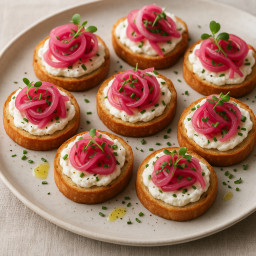
- 1 lb (450 g) spicy lamb sausages (loukaniko)
- 1.5 lb (700 g) potatoes, peeled and cut into wedges
- 1 large red bell pepper (170 g), sliced
- 1 large yellow bell pepper (170 g), sliced
- 1 medium red onion (150 g), cut into wedges
- 3 tbsp (45 ml) olive oil
- 2 tbsp (30 ml) fresh lemon juice
- 2 tsp (10 ml) dried oregano
- 1 tsp (5 ml) smoked paprika
- 1/2 cup (120 ml) dry white wine or water
- Salt and black pepper to taste
- Fresh parsley for garnish
1. Preheat oven to 400°F (200°C). Toss potatoes, peppers, and onion with 2 tbsp olive oil, oregano, paprika, salt, and pepper in a large bowl.
2. Arrange vegetables in a single layer on a rimmed baking sheet or roasting pan; nestle sausages among the vegetables and brush sausages with remaining 1 tbsp olive oil.
3. Pour wine or water around the vegetables (not over the sausages) and roast 35–45 minutes, turning vegetables once, until potatoes are tender and sausages are browned.
4. In the last 5 minutes squeeze lemon juice over the tray and return to oven.
5. Remove, rest 5 minutes, garnish with parsley, slice sausages if desired, and serve warm.

- 1 lb (450 g) spicy lamb sausages, sliced into 1/2-inch (1 cm) rounds
- 2 cups (480 g) cooked gigantes or large butter beans (canned or home-cooked)
- 14 oz (400 g) canned diced tomatoes
- 1 medium onion (150 g), finely chopped
- 2 cloves garlic, minced
- 2 tbsp (30 ml) olive oil
- 1/2 cup (120 ml) dry white wine or water
- 1 tsp (5 ml) dried oregano
- 1 tsp (5 ml) smoked paprika
- 1 bay leaf
- Salt and black pepper to taste
- Fresh parsley, chopped, for garnish
1. Heat olive oil in a large skillet or Dutch oven over medium heat. Add sliced sausages and brown lightly, about 3–4 minutes per side; remove and set aside.
2. Add onion to the pan and sauté 5–6 minutes until softened, then add garlic and cook 30 seconds until fragrant.
3. Stir in smoked paprika and oregano, then add diced tomatoes, wine (or water), bay leaf, and return sausages to the pan.
4. Simmer gently 10 minutes, then add cooked gigantes and simmer an additional 10–15 minutes so flavors meld and sauce thickens. Season with salt and pepper.
5. Remove bay leaf, garnish with chopped parsley, and serve hot with bread or a side of rice.

- 1 jar (14 oz / 400 g) preserved vine (grape) leaves, drained and rinsed
- 1 cup (200 g) short-grain rice (e.g., sushi or Arborio), rinsed and drained
- 1 medium yellow onion, finely chopped (6 oz / 170 g)
- 1/4 cup (60 ml) olive oil, plus 2 tbsp (30 ml) for pot
- 1/4 cup (35 g) pine nuts (optional)
- 1/4 cup (40 g) dried currants or golden raisins (optional)
- 1/2 cup (25 g) fresh flat-leaf parsley, finely chopped
- 1/4 cup (10 g) fresh dill, finely chopped
- 1/4 cup (10 g) fresh mint, finely chopped
- Zest of 1 lemon
- 1/3 cup (80 ml) fresh lemon juice, plus extra for serving
- 1 1/2 cups (360 ml) vegetable broth or water, hot
- 1 tsp (5 g) salt, plus more to taste
- 1/2 tsp (1 g) freshly ground black pepper
- 1 lemon, thinly sliced (for layering and garnish)
1. Prepare the leaves: separate vine leaves and trim any tough stems. If very salty, rinse briefly under cool water and pat dry; set aside.
2. Make the filling: heat 1/4 cup (60 ml) olive oil in a medium skillet over medium heat. Add the chopped onion and cook until soft and translucent, 5–7 minutes. Stir in pine nuts and currants and cook 1–2 minutes.
3. Add rice to the skillet and stir to coat with oil and toast lightly for 1–2 minutes. Add 1/2 cup (120 ml) of the hot broth or water, cover, and cook on low just until the liquid is absorbed, about 5 minutes (rice should be partially cooked, not fully).
4. Remove skillet from heat and stir in parsley, dill, mint, lemon zest, 1/3 cup (80 ml) lemon juice, 1 tsp (5 g) salt, and 1/2 tsp (1 g) black pepper. Taste and adjust seasoning; let the mixture cool until easy to handle.
5. Assemble dolmades: lay a vine leaf glossy side down on a work surface. Place about 1 to 1 1/2 teaspoons (or 1 tablespoon for larger leaves) of filling near the stem end. Fold the bottom of the leaf over the filling, fold in both sides, and roll tightly toward the tip to form a small cigar. Repeat, keeping rolls snug but not overly tight.
6. Arrange rolled dolmades seam-side down in a heavy-bottomed pot in concentric circles, packing them snugly. Place lemon slices over the top and tuck any remaining leaves around the edges to cover.
7. Combine remaining 1 cup (240 ml) hot broth with 2 tbsp (30 ml) olive oil and, if desired, an additional tablespoon lemon juice. Pour the liquid gently around the edges of the pot so rolls are nearly covered but not drenched on top. Place a small heatproof plate on top of the dolmades to keep them submerged and prevent unrolling.
8. Cook gently: bring to a gentle simmer over medium-low heat, then reduce heat to low, cover, and simmer for 40–50 minutes until rice is tender and leaves are soft.
9. Cool and serve: remove from heat and let dolmades cool in the pot to room temperature (at least 20 minutes) so flavors meld. Serve warm or at room temperature with extra lemon wedges.
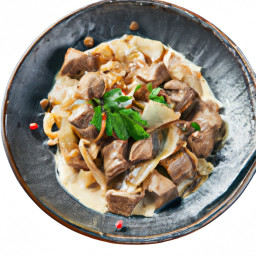
- 3 large red bell peppers (about 1 lb / 450 g)
- 12 oz (340 g) cherry tomatoes
- 3 tbsp (45 ml) extra-virgin olive oil, divided
- 2 tbsp (30 ml) fresh lemon juice (about 1 lemon)
- 1 tbsp (15 ml) red wine vinegar
- 1 large garlic clove, minced
- 1 small red onion (about 4 oz / 115 g), thinly sliced
- 1 tsp (1 g) dried oregano
- 2 tbsp (8 g) chopped fresh parsley
- 2 tbsp (30 g) pitted Kalamata olives, halved
- 1 tbsp (15 g) capers, rinsed
- 3 oz (85 g) crumbled feta cheese
- Salt and freshly ground black pepper to taste
1. Preheat the oven to 425°F (220°C). Line a rimmed baking sheet with foil or parchment.
2. Halve and seed the bell peppers; place peppers cut-side down on one side of the baking sheet. Toss the cherry tomatoes with 1 tbsp (15 ml) of the olive oil, a pinch of salt and pepper, and spread them on the other side of the sheet. Roast until peppers are softened and skins are blistered and tomatoes are lightly charred and burst, about 20–30 minutes.
3. Remove the peppers from the oven and transfer them to a bowl; cover tightly with plastic wrap or a lid and let steam for 10 minutes (this makes peeling easier). Return the tomatoes to the sheet off the heat to cool slightly.
4. Meanwhile, whisk together the remaining 2 tbsp (30 ml) olive oil, lemon juice, red wine vinegar, minced garlic, dried oregano, and a pinch of salt and pepper in a large mixing bowl.
5. Peel the peppers by removing the charred skin, discard seeds and membranes, and slice the flesh into 1/2-inch (1 cm) strips. Add the sliced peppers, blistered tomatoes, thinly sliced red onion, halved olives, capers, and chopped parsley to the bowl with the dressing. Toss gently to coat.
6. Let the salad sit at room temperature for 20–30 minutes to allow flavors to meld (or refrigerate up to 2 hours for a cooler salad). Taste and adjust seasoning with salt and pepper.
7. Just before serving, fold in the crumbled feta and give a final gentle toss. Serve at room temperature or slightly chilled alongside the entrée.

- 1 cup (200 g) kritharaki (orzo)
- 2 tbsp (30 ml) extra-virgin olive oil
- 1 tbsp (14 g) unsalted butter
- 1 small yellow onion, finely chopped (about 4 oz / 115 g)
- 2 cloves garlic, minced (about 6 g)
- 2 1/4 cups (540 ml) low-sodium chicken or vegetable broth
- 1 lemon, zested and juiced (zest ≈ 1 tsp / 2 g; juice ≈ 2 tbsp / 30 ml)
- 1 bay leaf (optional)
- 2 tbsp (8 g) chopped fresh flat-leaf parsley
- Salt and freshly ground black pepper to taste
- 1 tbsp (15 ml) extra-virgin olive oil for finishing (optional)
1. In a medium saucepan, heat 2 tbsp (30 ml) olive oil over medium heat. Add the chopped onion and cook, stirring, until translucent, about 4–5 minutes. Add the minced garlic and cook 30 seconds until fragrant.
2. Add the kritharaki (orzo) to the pan and toast, stirring constantly, until the pasta turns golden and smells nutty, about 3–4 minutes.
3. Stir in 1 tbsp (14 g) butter until melted. Pour in the 2 1/4 cups (540 ml) broth and add the bay leaf if using. Increase heat to bring to a gentle boil.
4. Reduce heat to low, cover, and simmer until the liquid is absorbed and the orzo is tender, about 10–12 minutes. Check at 10 minutes and stir once; if needed, simmer a few minutes longer with the lid slightly ajar.
5. Remove from heat. Discard the bay leaf. Stir in the lemon zest and lemon juice (≈ 2 tbsp / 30 ml), the chopped parsley, and the optional 1 tbsp (15 ml) finishing olive oil. Season with salt and freshly ground black pepper to taste.
6. Let the pilaf rest, covered, for 3–5 minutes to steam. Fluff with a fork and serve warm alongside the loukaniko and roasted vegetables so the pilaf can soak up the pan juices.
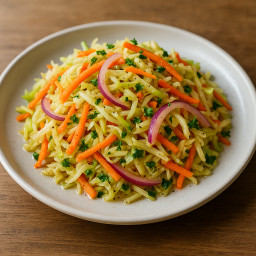
- 12 phyllo sheets (225 g)
- 1 cup (240 ml) vegetable oil
- 1 cup (240 ml) plain full-fat Greek yogurt
- 1 cup (200 g) granulated sugar
- 4 large eggs
- 1/2 cup (100 g) fine semolina
- 2 tsp (10 ml) baking powder
- 1/4 tsp (1.5 g) salt
- Zest of 2 oranges
- 1 cup (240 ml) freshly squeezed orange juice
- 1 tbsp (15 ml) vanilla extract
- 2 tbsp (30 ml) orange liqueur (optional)
- 2 tbsp (30 g) unsalted butter, melted, for greasing
- For the syrup:
- 1 cup (200 g) granulated sugar
- 1 cup (240 ml) water
- 1/4 cup (60 ml) freshly squeezed orange juice
- Zest of 1 orange
- 1 cinnamon stick
- 1 tbsp (15 ml) honey (optional)
- For serving (optional):
- Powdered sugar or thin orange slices
1. Preheat oven to 350°F (175°C). Lightly grease a 9x13-inch (23x33 cm) baking pan with 1 tbsp (15 g) of the melted butter and set aside.
2. Arrange phyllo sheets on a baking sheet; bake 8–10 minutes until dry and lightly golden (watch closely so they do not brown). Let cool, then crumble or tear into small bite-sized pieces into a large mixing bowl.
3. In a separate bowl whisk together eggs and 1 cup (200 g) granulated sugar until pale and slightly thickened. Whisk in vegetable oil, Greek yogurt, orange zest, 1 cup (240 ml) orange juice, vanilla extract, and orange liqueur if using until smooth.
4. Stir semolina, baking powder, and salt into the wet mixture until evenly combined. Pour the batter over the crumbled phyllo and fold gently with a spatula until the phyllo pieces are evenly coated and distributed.
5. Transfer the mixture into the prepared pan, smoothing the top with a spatula. Brush the remaining 1 tbsp (15 g) melted butter over the surface. Bake in the preheated oven 40–55 minutes, or until the top is deep golden brown and a skewer inserted into the center comes out mostly clean.
6. While the cake bakes, make the syrup: in a small saucepan combine 1 cup (200 g) granulated sugar, 1 cup (240 ml) water, 1/4 cup (60 ml) orange juice, orange zest, and the cinnamon stick. Bring to a boil, stirring to dissolve sugar. Reduce heat and simmer 6–8 minutes. Remove from heat and stir in honey if using. Let the syrup cool briefly (it should be warm when poured over the cake).
7. When the cake is done, remove from oven and immediately pour the warm syrup evenly over the hot cake, using a spoon to help it absorb if needed. The syrup may hiss; pour slowly and allow time to soak in.
8. Let the cake cool in the pan to room temperature, then preferably rest at least 2–4 hours (or overnight) to fully absorb the syrup and develop flavor. Remove the cinnamon stick and orange zest pieces before serving if desired.
9. Slice and serve at room temperature, dusted with powdered sugar or garnished with thin orange slices.

- 1 lb (450 g) bucatelli pasta
- 12 oz (340 g) ground beef (preferably chuck)
- 4 oz (115 g) pancetta, diced
- 1 medium (about 1 cup) (150 g) onion, finely chopped
- 1 medium (about 1 cup) (110 g) carrot, finely chopped
- 2 ribs (about 1 cup) (120 g) celery, finely chopped
- 3 tbsp (45 ml) extra-virgin olive oil
- 2 tbsp (30 g) unsalted butter
- 3 tbsp (45 ml) tomato paste
- 1 cup (240 ml) dry white wine
- 1 cup (240 ml) whole milk
- 14 oz (400 g) crushed tomatoes (or passata)
- 1 cup (240 ml) beef or chicken stock
- 1 bay leaf
- Pinch of freshly grated nutmeg
- Salt
- Freshly ground black pepper
- 1/2 cup (50 g) finely grated Parmigiano-Reggiano, plus more for serving
1. Heat the olive oil and 1 tbsp (15 g) butter in a large heavy pot over medium heat. Add pancetta and cook until it renders fat and starts to brown, about 3–4 minutes.
2. Add onion, carrot, and celery and sweat gently until soft and translucent, about 8–10 minutes; season lightly with salt.
3. Increase heat to medium-high, add ground beef and cook, breaking up with a spoon, until browned and no longer pink, about 8 minutes. Drain excess fat if needed.
4. Stir in tomato paste and cook 2 minutes. Pour in white wine to deglaze, scraping brown bits; simmer until wine almost evaporates, about 3–4 minutes.
5. Add milk and a pinch of nutmeg; simmer until milk mostly evaporates, about 6–8 minutes. Add crushed tomatoes, stock, and bay leaf; bring to a gentle simmer.
6. Reduce heat to very low, partially cover, and simmer slowly for 1.5–2 hours, stirring occasionally and adjusting liquid with stock if it becomes too dry. Remove bay leaf and adjust seasoning with salt and pepper.
7. Bring a large pot of salted water to a rapid boil. Cook bucatelli until just shy of al dente (about 1–2 minutes less than package instructions). Reserve 1 cup (240 ml) pasta cooking water and drain.
8. Add drained bucatelli to the ragù with 1 tbsp (15 g) butter and 1/2 cup (120 ml) reserved pasta water; toss over low heat until the pasta is coated and al dente. Stir in 1/2 cup (50 g) grated Parmigiano-Reggiano.
9. Serve immediately with additional grated Parmigiano-Reggiano and freshly ground black pepper.
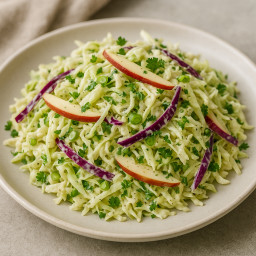
- 1 lb (450 g) bucatelli pasta
- 10 oz (285 g) ground beef
- 6 oz (170 g) ground pork
- 3 tbsp (45 ml) extra-virgin olive oil
- 1 medium (about 1 cup) (150 g) onion, finely chopped
- 2 cloves (about 2 tsp) (6 g) garlic, minced
- 1 medium (about 1 cup) (110 g) carrot, finely chopped
- 1 rib (about 1/2 cup) (60 g) celery, finely chopped
- 14 oz (400 g) can whole peeled tomatoes, crushed by hand
- 1 cup (240 ml) tomato passata (or additional crushed tomatoes)
- 1/2 cup (120 ml) dry white wine
- 1 cup (240 ml) beef stock
- 3 tbsp (45 ml) chopped fresh basil leaves, plus extra for garnish
- 2 tbsp (30 ml) tomato paste
- 2 tbsp (30 g) unsalted butter
- Salt
- Freshly ground black pepper
- 1/2 cup (50 g) grated Parmigiano-Reggiano for serving
1. Heat olive oil in a wide sauté pan over medium heat. Add onion, carrot, and celery and cook until softened, about 8 minutes. Add garlic and cook 1 minute.
2. Add ground beef and pork; brown thoroughly, breaking up lumps, about 8–10 minutes. Season lightly with salt and pepper.
3. Stir in tomato paste and cook 2 minutes. Pour in white wine, simmer until nearly evaporated, then add crushed tomatoes, passata, and beef stock. Bring to a gentle simmer.
4. Reduce heat to low and simmer uncovered for 45–60 minutes, stirring occasionally, until sauce thickens. Stir in chopped basil and butter in the last 5 minutes; adjust seasoning.
5. Cook bucatelli in a large pot of salted boiling water until al dente. Reserve 1 cup (240 ml) pasta water and drain.
6. Combine pasta with sauce in the sauté pan, adding reserved pasta water a little at a time to achieve a silky consistency. Toss over medium-low heat until sauce clings to the bucatelli.
7. Serve topped with grated Parmigiano-Reggiano and torn basil leaves.
- 1 lb 8 oz (680 g) bucatelli pasta
- 2 cups (480 ml) prepared Bolognese ragù (see previous ragù recipes) or about 20 oz (560 g) meat sauce
- 4 tbsp (60 g) unsalted butter (for béchamel)
- 4 tbsp (30 g) all-purpose flour (for béchamel)
- 4 cups (960 ml) whole milk (for béchamel), warmed
- Pinch of freshly grated nutmeg (for béchamel)
- Salt
- Freshly ground black pepper
- 1 1/2 cups (150 g) grated Parmigiano-Reggiano, divided
- 1 cup (100 g) shredded mozzarella (optional)
- 2 tbsp (30 ml) olive oil (for greasing)
1. Preheat oven to 375°F (190°C). Grease a 9x13-inch (23x33 cm) baking dish with olive oil.
2. Cook bucatelli in a large pot of salted boiling water until 2 minutes shy of al dente. Reserve 1 cup (240 ml) pasta water, drain and set aside.
3. Make the béchamel: melt 4 tbsp (60 g) butter in a saucepan over medium heat. Whisk in 4 tbsp (30 g) flour and cook 1–2 minutes without browning. Gradually whisk in warmed milk, bring to a gentle simmer, and cook until thickened, about 6–8 minutes. Season with salt, pepper, and a pinch of nutmeg.
4. In a large bowl, combine cooked bucatelli, 2 cups (480 ml) ragù, 1 cup (240 ml) béchamel, 1 cup (100 g) Parmigiano-Reggiano, and enough reserved pasta water to loosen if needed. Stir gently to combine.
5. Spoon half the pasta mixture into the prepared dish. Dot with small spoonfuls of ragù if any remains, spread half of the remaining béchamel, and sprinkle 1/2 cup (50 g) Parmigiano-Reggiano. Add remaining pasta, top with remaining béchamel, mozzarella (if using), and remaining 1/2 cup (50 g) Parmigiano-Reggiano.
6. Bake uncovered until golden and bubbling, about 25–30 minutes. For a browned top, place under the broiler for 1–2 minutes watching carefully.
7. Let rest 5–10 minutes before serving. Serve with extra grated Parmigiano-Reggiano.

- 12 oz (340 g) farfalle
- 2 cups (50 g) fresh basil leaves, packed
- 1/4 cup (35 g) pine nuts
- 1 clove garlic
- 1/2 cup (120 ml) extra-virgin olive oil
- 1/2 cup (50 g) grated Parmigiano-Reggiano
- 1/4 cup (25 g) grated Pecorino Romano
- 2 medium potatoes, peeled and diced (about 10 oz / 300 g)
- 8 oz (225 g) green beans, trimmed and cut into 1-inch (2.5 cm) pieces
- Salt to taste
- Freshly ground black pepper to taste
1. Put a large pot of salted water on to boil. Add the diced potatoes and cook 5 minutes; add green beans and cook 3 minutes, then add farfalle and cook until al dente; reserve 1 cup (240 ml) cooking water and drain.
2. While pasta cooks, make the pesto: combine basil, pine nuts, garlic, Parmigiano, Pecorino, and a pinch of salt in a food processor; pulse while streaming in olive oil until a coarse, glossy sauce forms. Adjust salt as needed.
3. In a large bowl or the drained pasta pot, toss the farfalle, potatoes, and green beans with the pesto, adding reserved pasta water a little at a time to loosen the sauce and coat the pasta evenly.
4. Adjust seasoning with salt and pepper and serve immediately with extra grated cheese if desired.
- 12 oz (340 g) farfalle
- 2 tbsp (30 ml) olive oil
- 1 small onion, finely chopped
- 2 cloves garlic, minced
- 1/2 tsp (2.5 ml) red pepper flakes (optional)
- 1/3 cup (80 ml) vodka
- 1 cup (240 ml) tomato puree or crushed tomatoes
- 1 cup (240 ml) heavy cream
- 2 tbsp (28 g) unsalted butter
- 1/2 cup (50 g) grated Parmigiano-Reggiano
- 6–8 fresh basil leaves, torn
- Salt to taste
- Freshly ground black pepper to taste
1. Cook farfalle in a large pot of salted boiling water until al dente; reserve 1 cup (240 ml) pasta water and drain.
2. Heat olive oil in a skillet over medium heat; add onion and cook until soft, 4–5 minutes. Add garlic and red pepper flakes and cook 30 seconds until fragrant.
3. Increase heat slightly, add vodka, and simmer 2–3 minutes to reduce and burn off alcohol. Stir in tomato puree and simmer 5 minutes to meld flavors.
4. Reduce heat and stir in heavy cream and butter; simmer gently until sauce is smooth and slightly thickened. Add Parmigiano-Reggiano and stir until incorporated.
5. Toss drained farfalle with the sauce, adding reserved pasta water as needed to achieve desired consistency; fold in torn basil and adjust seasoning with salt and pepper.
6. Serve hot with extra Parmesan.
- 1 lb (450 g) farfalle
- 8 oz (225 g) cooked ham or prosciutto cotto, diced
- 1 cup (150 g) frozen peas, thawed
- 8 oz (225 g) mozzarella, shredded
- 1/2 cup (50 g) grated Parmigiano-Reggiano
- 3 tbsp (42 g) unsalted butter
- 3 tbsp (24 g) all-purpose flour
- 2 cups (480 ml) whole milk
- Pinch of ground nutmeg
- Salt to taste
- Freshly ground black pepper to taste
- 1/4 cup (25 g) breadcrumbs (optional, for topping)
- 1 tbsp (15 ml) olive oil (optional, to toss breadcrumbs)
1. Preheat oven to 375°F (190°C). Cook farfalle in a large pot of salted boiling water until just under al dente; drain and set aside.
2. Make the béchamel: melt butter in a saucepan over medium heat, whisk in flour and cook 1–2 minutes. Gradually whisk in milk until smooth, bring to a simmer and cook until thickened, 4–5 minutes. Season with salt, pepper, and a pinch of nutmeg.
3. In a large mixing bowl, combine cooked farfalle, diced ham, peas, half the mozzarella, half the Parmigiano-Reggiano, and the béchamel; toss gently to combine.
4. Transfer mixture to a lightly greased 9x13-inch (23x33 cm) baking dish. Sprinkle remaining mozzarella and Parmigiano evenly on top. If using, toss breadcrumbs with olive oil and sprinkle over cheese.
5. Bake 20–25 minutes, until bubbly and golden on top. For extra browning, broil 1–2 minutes, watching carefully.
6. Allow to rest 5 minutes before serving.
- 1 French baguette (about 12 inches/30 cm)
- 2 tbsp (30 ml) extra-virgin olive oil
- 1 1/2 cups (360 g) whole-milk ricotta
- Zest of 1 lemon (about 1 tbsp/6 g)
- 1 tbsp (15 ml) fresh lemon juice
- 1/2 tsp (3 g) fine sea salt
- 1/4 tsp (0.5 g) freshly ground black pepper
- 1/3 cup (45 g) pine nuts
- 1 garlic clove, halved
- 2 tbsp (6 g) chopped fresh basil or thyme leaves
- 1 tbsp (15 ml) honey (optional)
- Flaky sea salt, to finish
1. Preheat the oven to 400°F (200°C). Slice the baguette on the diagonal into 1/2-inch (1.2 cm) slices and arrange in a single layer on a baking sheet. Brush both sides lightly with 2 tbsp (30 ml) olive oil.
2. Bake the slices 8–10 minutes, turning once halfway, until golden and crisp. Remove and while still warm rub each toast with the cut side of the garlic clove; discard the garlic when finished.
3. While the toasts bake, warm a small dry skillet over medium heat and toast 1/3 cup (45 g) pine nuts, stirring constantly, until fragrant and lightly golden, 2–4 minutes. Transfer to a plate to cool so they do not continue to brown.
4. In a medium bowl, combine 1 1/2 cups (360 g) ricotta, lemon zest, 1 tbsp (15 ml) lemon juice, 1/2 tsp (3 g) sea salt, and 1/4 tsp (0.5 g) pepper. Stir in 1 tbsp (15 ml) olive oil and taste; adjust salt or lemon as needed for brightness and seasoning.
5. Spread a generous tablespoon or more of the lemon ricotta on each toast. Sprinkle with toasted pine nuts and 2 tbsp (6 g) chopped fresh basil or thyme.
6. Drizzle optionally with 1 tbsp (15 ml) honey for a touch of sweetness, finish with a small pinch of flaky sea salt and a light drizzle of extra-virgin olive oil, and serve immediately.
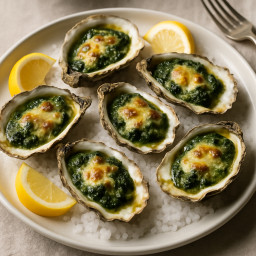
- 8 oz (225 g) stale country bread or ciabatta, crusty, cut into 1-inch (2.5 cm) cubes
- 1 lb (450 g) ripe tomatoes (plum, beefsteak, or vine-ripe), cut into chunky wedges
- 1/2 small red onion, thinly sliced (about 2 oz / 60 g)
- 1 garlic clove, halved
- 1/4 cup (60 ml) extra-virgin olive oil
- 2 tbsp (30 ml) red wine vinegar
- 1 tsp (5 g) kosher salt, plus more to taste
- 1/2 tsp (1 g) freshly ground black pepper, plus more to taste
- Handful fresh basil leaves (about 1 cup / 25 g loosely packed), torn
1. Preheat the oven to 400°F (200°C). Spread the bread cubes in a single layer on a baking sheet and toast until golden and crisp, about 8–12 minutes, tossing once; let cool slightly.
2. While the bread toasts, place the tomato wedges and sliced red onion in a large bowl. Sprinkle with 1 tsp (5 g) kosher salt, toss gently, and let sit 5–10 minutes to draw juices.
3. In a small bowl whisk together the olive oil, red wine vinegar, freshly ground black pepper, and a pinch more salt if desired.
4. Rub the cut side of the garlic clove over the warm toasted bread cubes to impart a light garlic flavor; discard the garlic.
5. Pour the dressing over the tomatoes and onions and toss to combine. Add the toasted bread cubes and torn basil leaves, then toss gently so the bread begins to absorb the tomato juices and dressing.
6. Let the salad rest at room temperature 10–15 minutes before serving so flavors meld and bread softens slightly. Taste and adjust seasoning with additional salt, pepper, or a splash more vinegar if needed; serve at room temperature.

- 1 lb (450 g) ripe tomatoes, cut into wedges or 1/2-inch slices
- 1 small red onion (about 4 oz/115 g), thinly sliced
- 3 tbsp (45 ml) extra-virgin olive oil
- 1 tbsp (15 ml) red wine vinegar
- 1 tbsp (3 g) fresh oregano leaves, chopped (or 1 tsp/1 g dried oregano)
- 1/2 tsp (2.5 g) kosher salt, plus more to taste
- 1/4 tsp (0.5 g) freshly ground black pepper, plus more to taste
- 1 tsp (4 g) granulated sugar (optional, to balance acidity)
- 1 tbsp (15 g) fresh basil leaves, torn (optional)
1. Place the tomato wedges or slices in a large bowl. Add the thinly sliced red onion.
2. In a small bowl or jar whisk together the olive oil, red wine vinegar, oregano, salt, pepper, and sugar (if using) until combined.
3. Pour the dressing over the tomatoes and onions and toss gently to coat, taking care not to break the tomato pieces.
4. Let the salad rest at room temperature for 10–15 minutes to allow flavors to meld; taste and adjust salt, pepper, or vinegar as needed.
5. Just before serving, sprinkle torn basil over the salad if using and give a final gentle toss. Serve at room temperature.
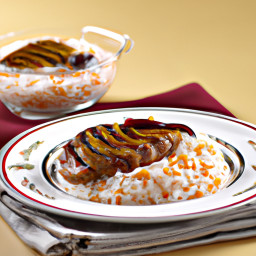
- 1 lb (450 g) asparagus, woody ends trimmed
- 2 tbsp (30 ml) extra-virgin olive oil
- 1/2 tsp (3 g) kosher salt
- 1/4 tsp (0.5 g) freshly ground black pepper
- 1 lemon, zested and juiced (about 1 tbsp/15 ml)
- 2 oz (50 g) Parmigiano-Reggiano, shaved
- Flaky sea salt (to taste)
1. Preheat a grill or grill pan to medium-high heat (about 400–450°F / 200–230°C). Pat the asparagus dry. In a bowl, toss asparagus with olive oil, kosher salt, and black pepper until evenly coated.
2. Arrange asparagus perpendicular to the grill grates (or in a single layer in the grill pan). Grill, turning occasionally, until bright green with light char marks and just tender, 3–6 minutes depending on stalk thickness.
3. Transfer the asparagus to a serving platter while still warm. Immediately sprinkle with lemon zest, squeeze the lemon juice over the spears, and toss gently to coat.
4. Scatter the shaved Parmigiano-Reggiano over the asparagus, finish with a light sprinkle of flaky sea salt, and serve at once.
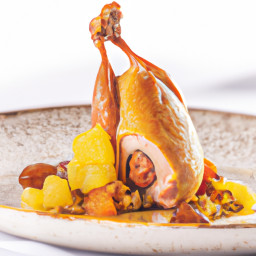
- 2 cups (480 ml) whole milk
- 1/2 cup (120 ml) heavy cream
- 2/3 cup (135 g) granulated sugar
- 4 large egg yolks
- 1 cup (140 g) shelled unsalted pistachios, toasted and cooled
- 2 tbsp (30 ml) neutral oil (vegetable or light olive oil)
- Pinch of fine salt
- 1 tsp (5 ml) pure vanilla extract (optional)
- 2 tbsp (20 g) chopped shelled pistachios, for garnish (optional)
1. Make pistachio paste: in a food processor, pulse the toasted pistachios with 2 tbsp (30 ml) of the granulated sugar, the neutral oil, and a pinch of salt until a smooth, spreadable paste forms (stop and scrape down the bowl as needed). Set aside.
2. Warm dairy: in a medium saucepan, combine the whole milk and heavy cream and heat over medium until just simmering at the edges (do not boil); remove from heat.
3. Temper yolks: in a bowl, whisk the egg yolks with the remaining sugar until pale. Slowly pour about 1/3 of the hot milk mixture into the yolks while whisking constantly to temper, then pour the yolk mixture back into the saucepan with the remaining milk.
4. Cook custard: return the saucepan to low–medium heat and cook, stirring constantly with a wooden spoon or spatula, until the custard thickens enough to coat the back of the spoon (about 170°F/75°C or 5–8 minutes). Do not boil to avoid curdling.
5. Combine with pistachio paste: remove custard from heat, let cool 2 minutes, then stir in the pistachio paste and vanilla (if using) until fully incorporated. For an extra-smooth texture, pass the mixture through a fine-mesh sieve into a clean bowl to remove any bits.
6. Chill: cover the bowl and refrigerate until thoroughly cold, at least 4 hours or overnight.
7. Churn: pour the chilled mixture into an ice cream maker and churn according to the manufacturer’s instructions until it reaches a dense, soft-gelato consistency (usually 20–30 minutes).
8. Freeze to set: transfer the gelato to an airtight container, press a piece of parchment directly onto the surface to minimize ice crystals, and freeze for at least 2 hours to firm up before serving.
9. Serve: scoop into bowls or small cups and garnish with chopped pistachios if desired. Remove from the freezer 5–10 minutes before serving for the best texture.